Honda has always been at the forefront of introducing game-changing technologies. One such example of this is the automatic DCT, which was first introduced in our 2009 FourTrax Rancher ATV. This innovative design resembles two manual transmissions working together, resulting in improved shifting feel, reduced shift time, and consistent torque delivery. As a result, you get added control during both acceleration and deceleration.
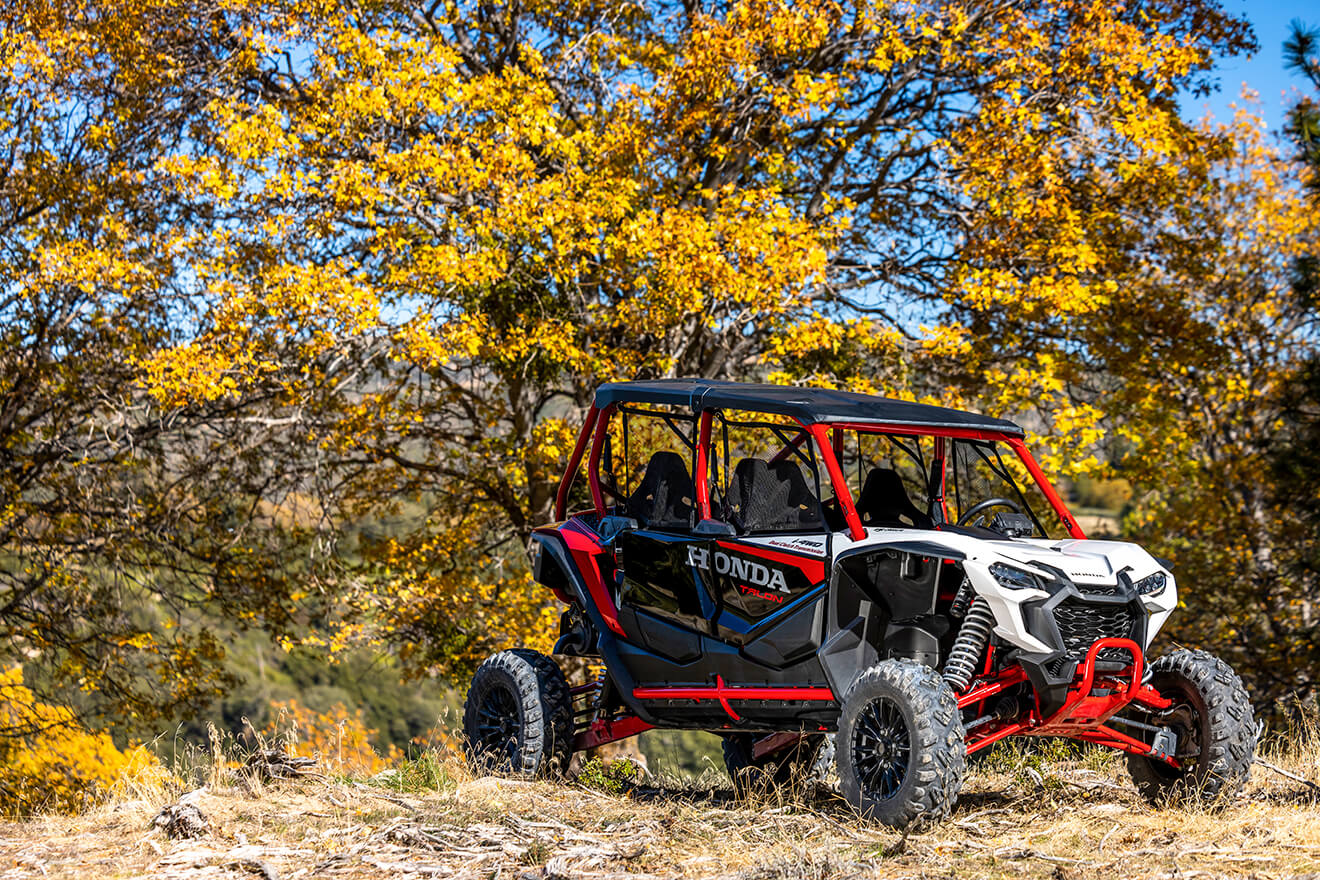
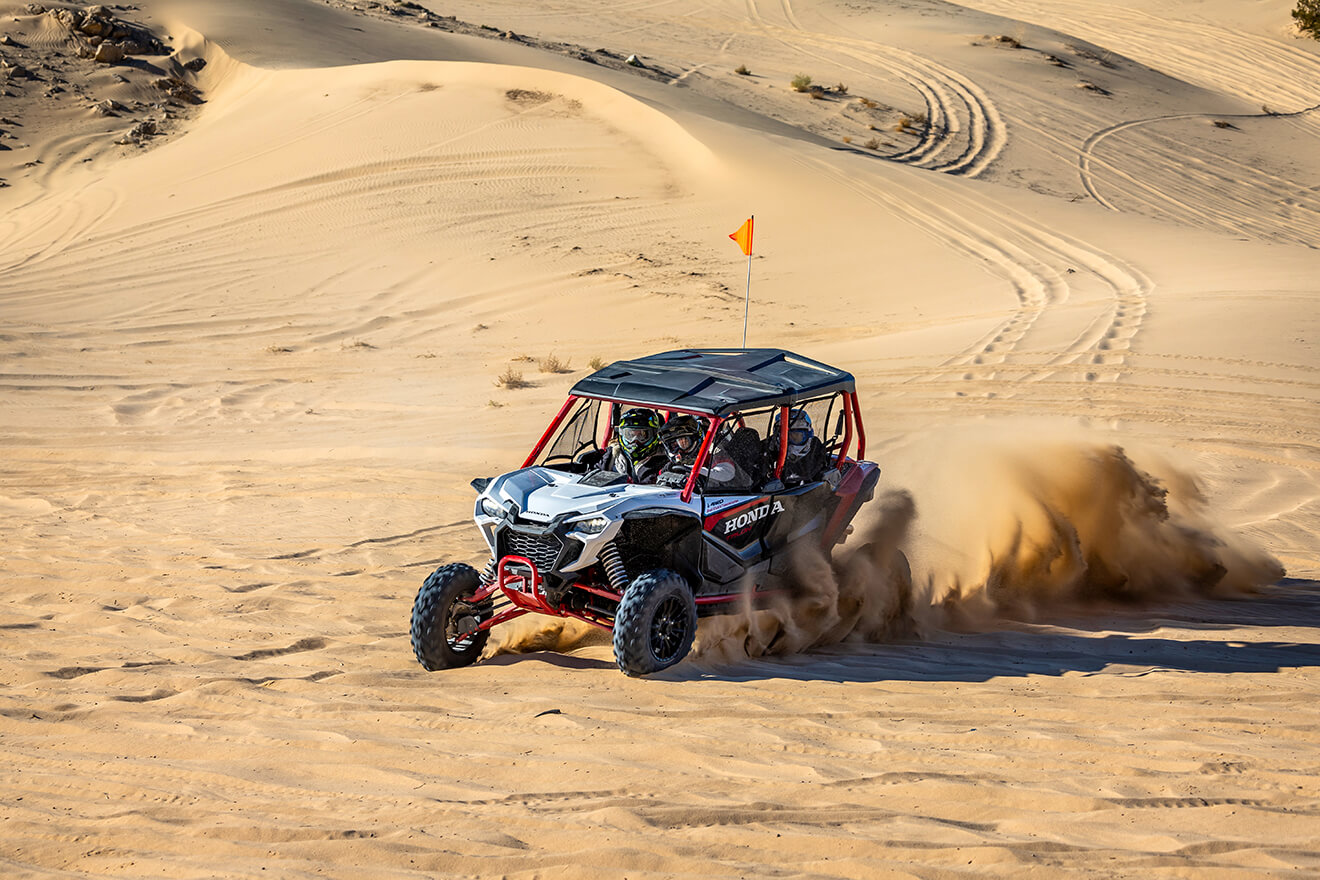
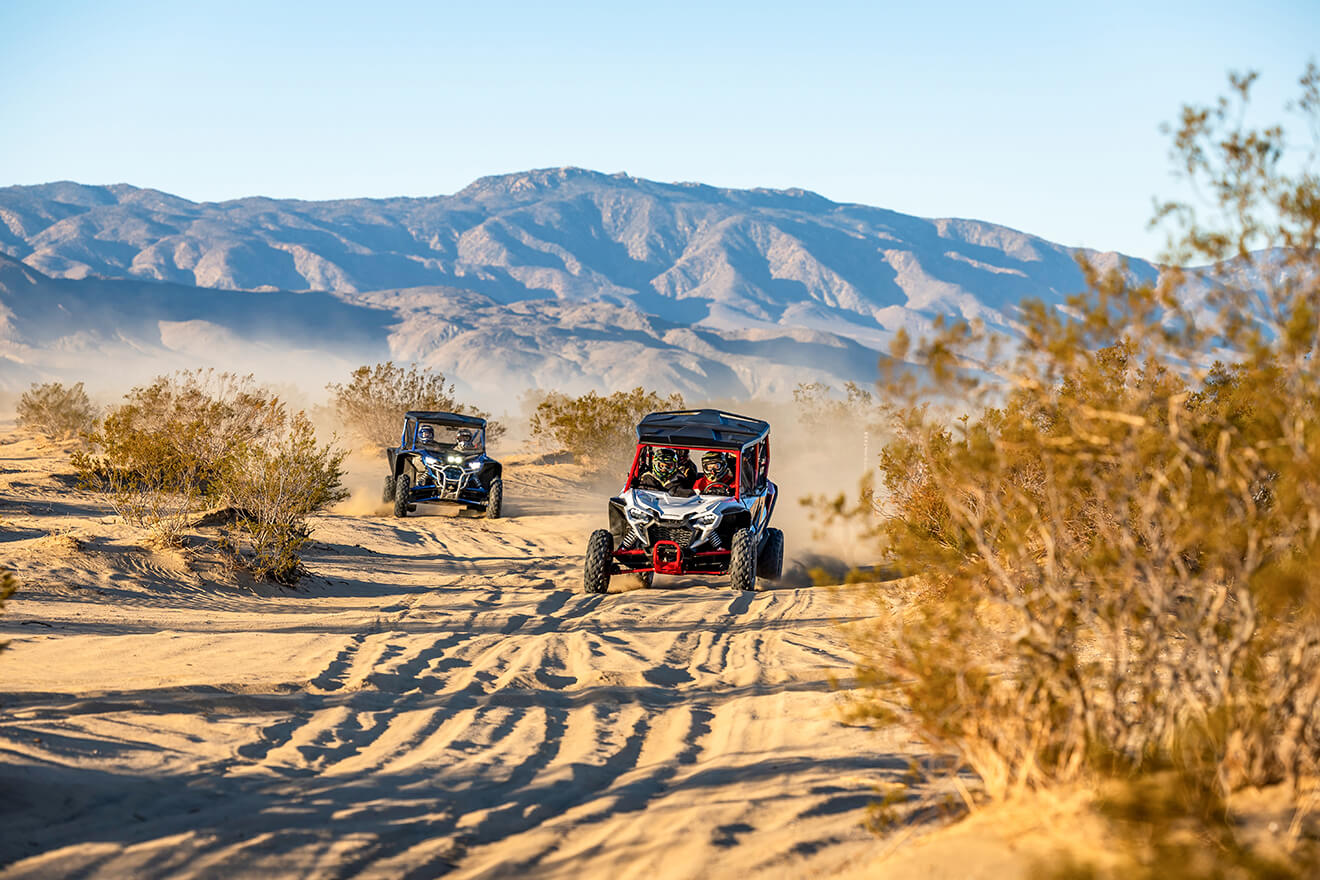
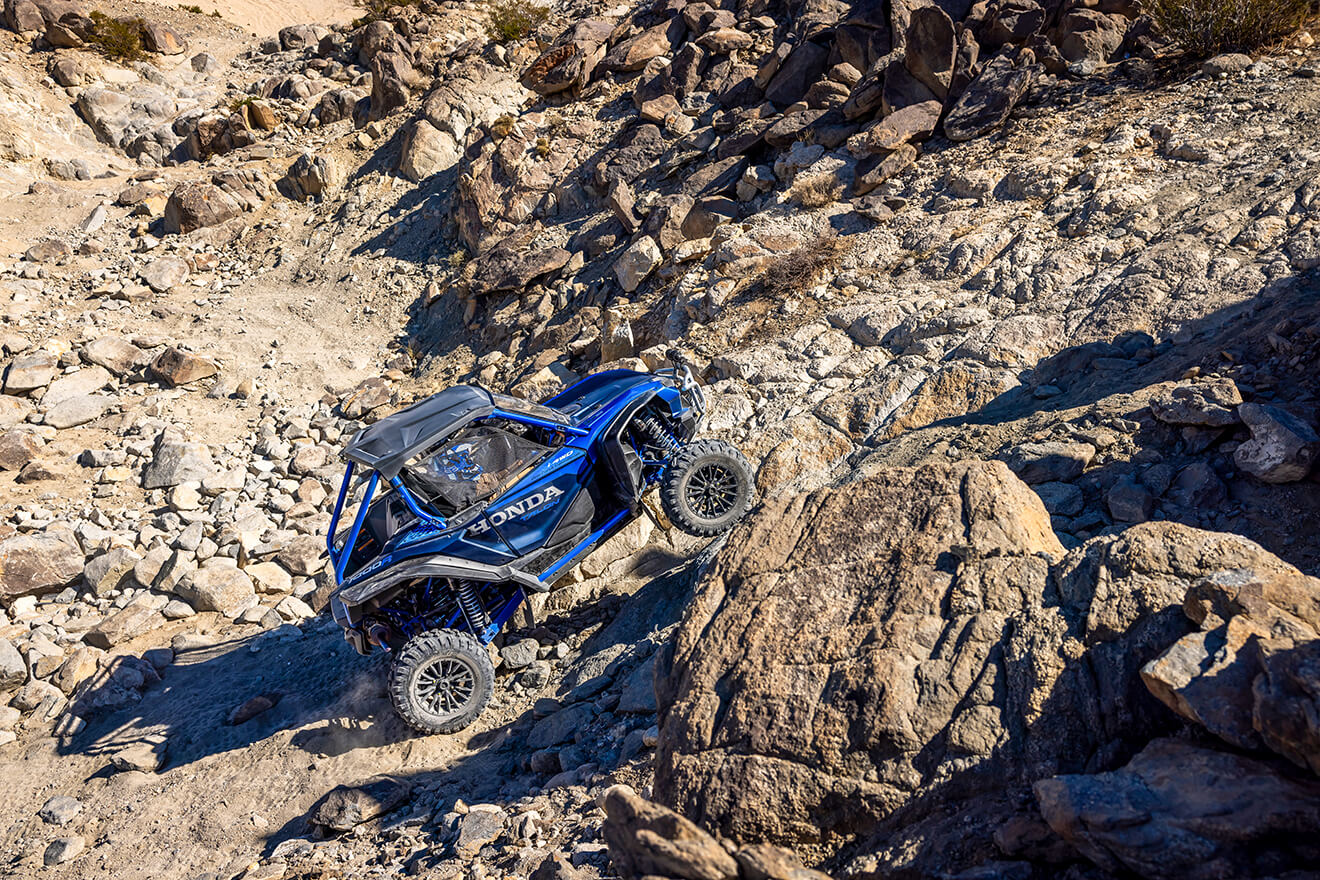
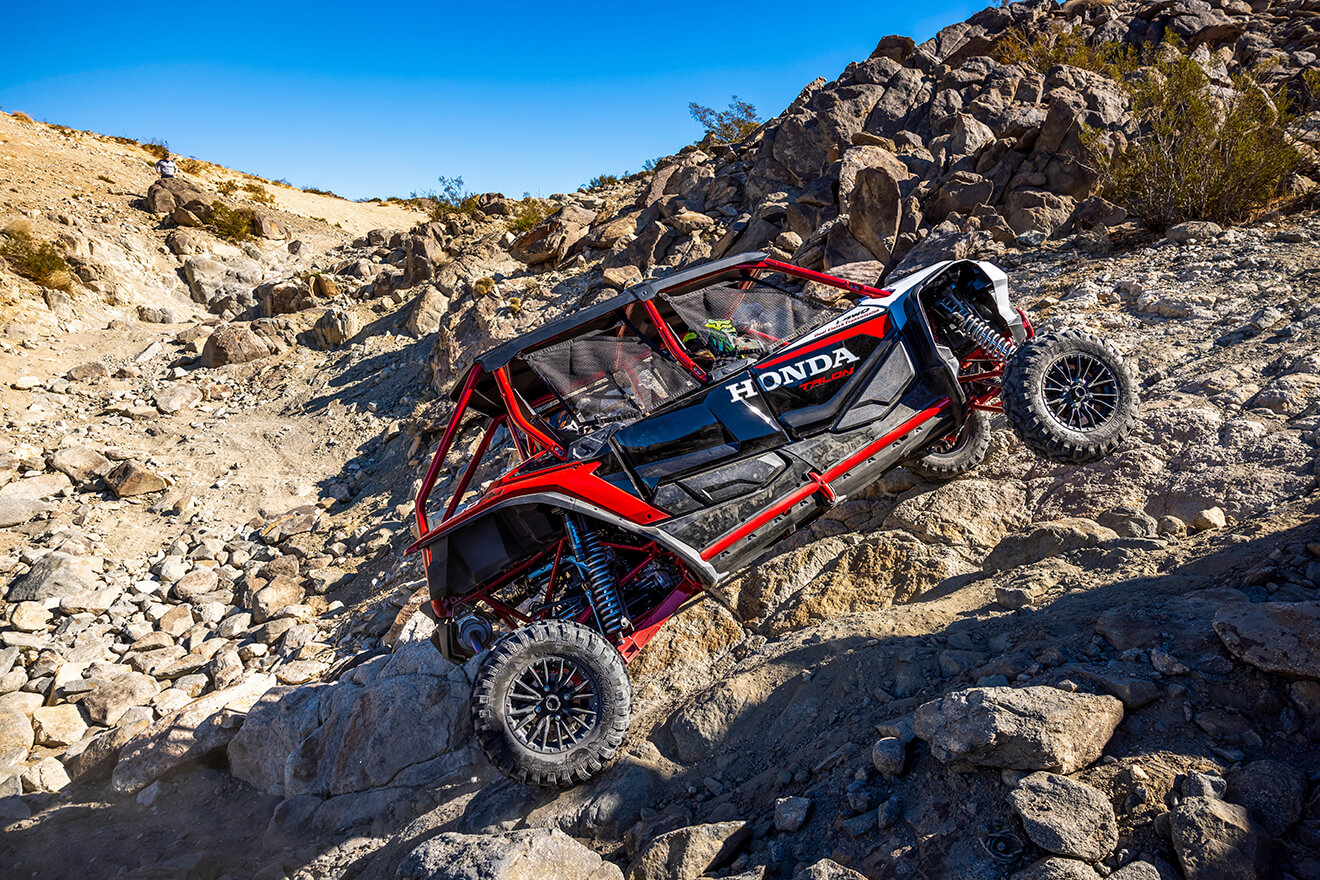
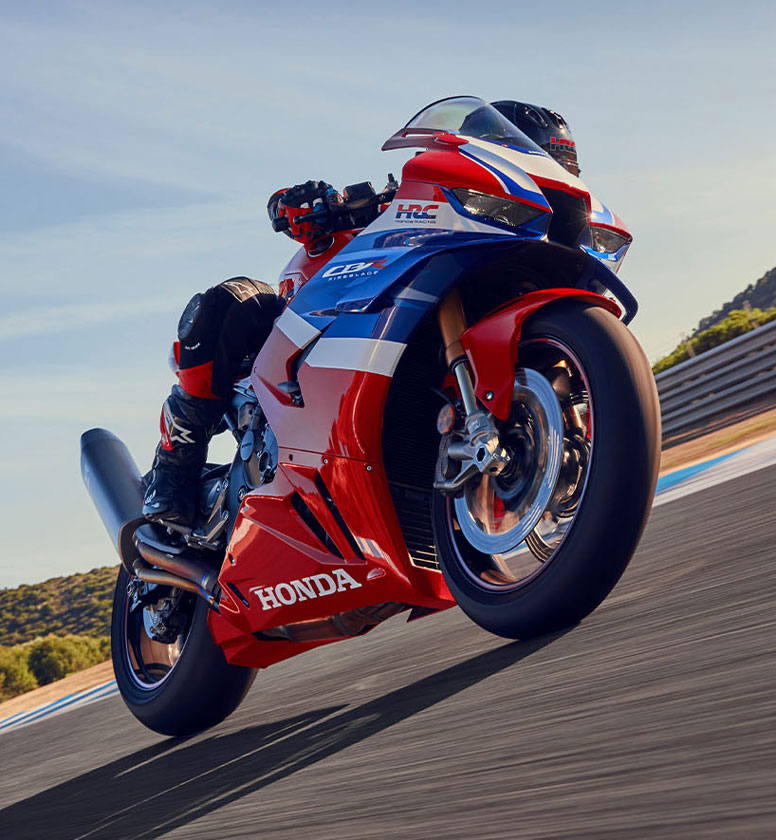
The success of Dual-Clutch Transmissions (DCT) in Honda motorcycles marked a pivotal moment in the evolution of the company’s off-road vehicle lineup. The integration of DCT technology into the Honda Talon 4-seater ushered in a new era for Sport SxS vehicles, delivering exceptional speed, precision, and versatility—all without sacrificing ride quality or control.
Design wise, the Dual-Clutch Transmission is a remarkable example of mechanical engineering. It uses two different clutches: one for odd-numbered gears and another for even-numbered gears. While one gear is in use, the next gear is preselected, which allows for incredibly smooth and fast gear changes with no loss of power flow. This means that the engine delivers the highest possible percentage of horsepower to the rear wheels with minimal loss of torque delivery during gear changes, resulting in seamless acceleration.
Honda's DCT-equipped line of Talon side-by-side vehicles, headlined by the 1000R-4 FOX Live Valve, offers both automatic and manual modes. When operating in automatic, the DCT's "brain" reads your behavior and shifts gears smoothly and efficiently based on speed, RPM, throttle position, and other factors. On the other hand, manual mode lets you take full control of gear selection using paddle shifters located behind the wheel on the steering column.