Tech Corner
3 min watch
Updated on March 24, 2026

Built By Episode 1

Welcome to the first part of our video and article series showcasing the all-new Pioneer 1000. Meet the team, explore our locations, and discover the dedication behind designing and building the all-new flagship side-by-side in America for how Americans work and play.

built-by-episode-1-hours-of-brainpower-img

Hours of brainpower

Honda doesn’t start with a spec sheet.

Yes, numbers matter. Capability always counts. But at Honda, those numbers are the receipt, not the reason. The reason comes first, and it’s the philosophy that has guided Honda for decades.

Man first, then machine.

It’s a simple idea with a high standard. Start with the person who will live with the product. Respect their time, their effort, their comfort, and their safety. Then engineer the machine until it feels less like something you operate, and more like something that simply fits.

That’s what “man first” really means. When a machine fits you naturally, the payoff is real. The day feels easier. The ride feels smoother. You stop thinking about the vehicle and can truly focus on what you’re doing.

And that’s exactly why we are launching this series now. Because the all-new 2026 Pioneer 1000 lineup is the clearest example of that philosophy in action, and we wanted to pull back the curtain and show you how it came to life.

Welcome to Built By

Welcome to the first installment of our Built By series, where we take you behind the scenes at Honda to show how the all-new Pioneer 1000 was designed, tested, and built in America specifically for the American market.

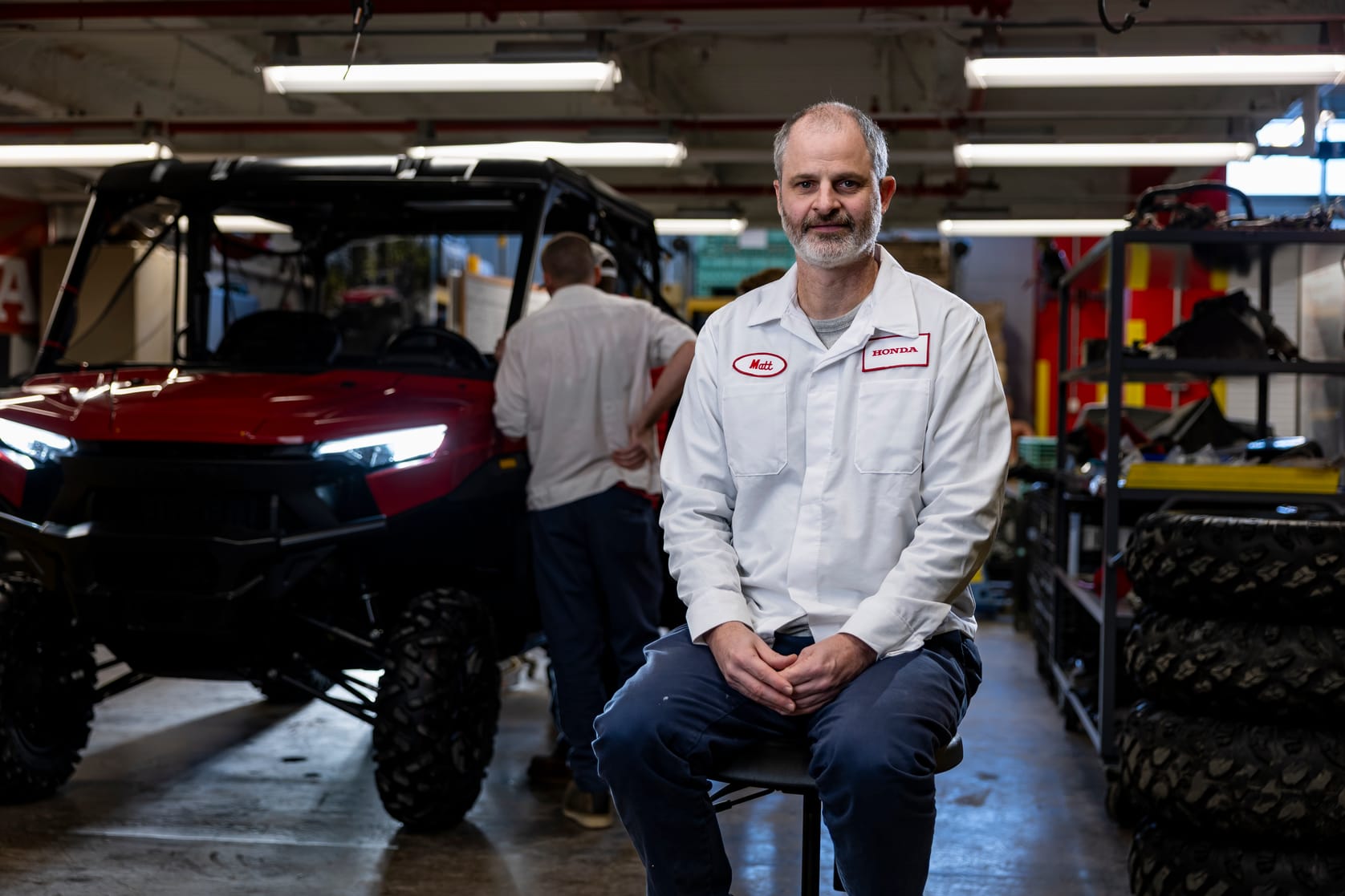
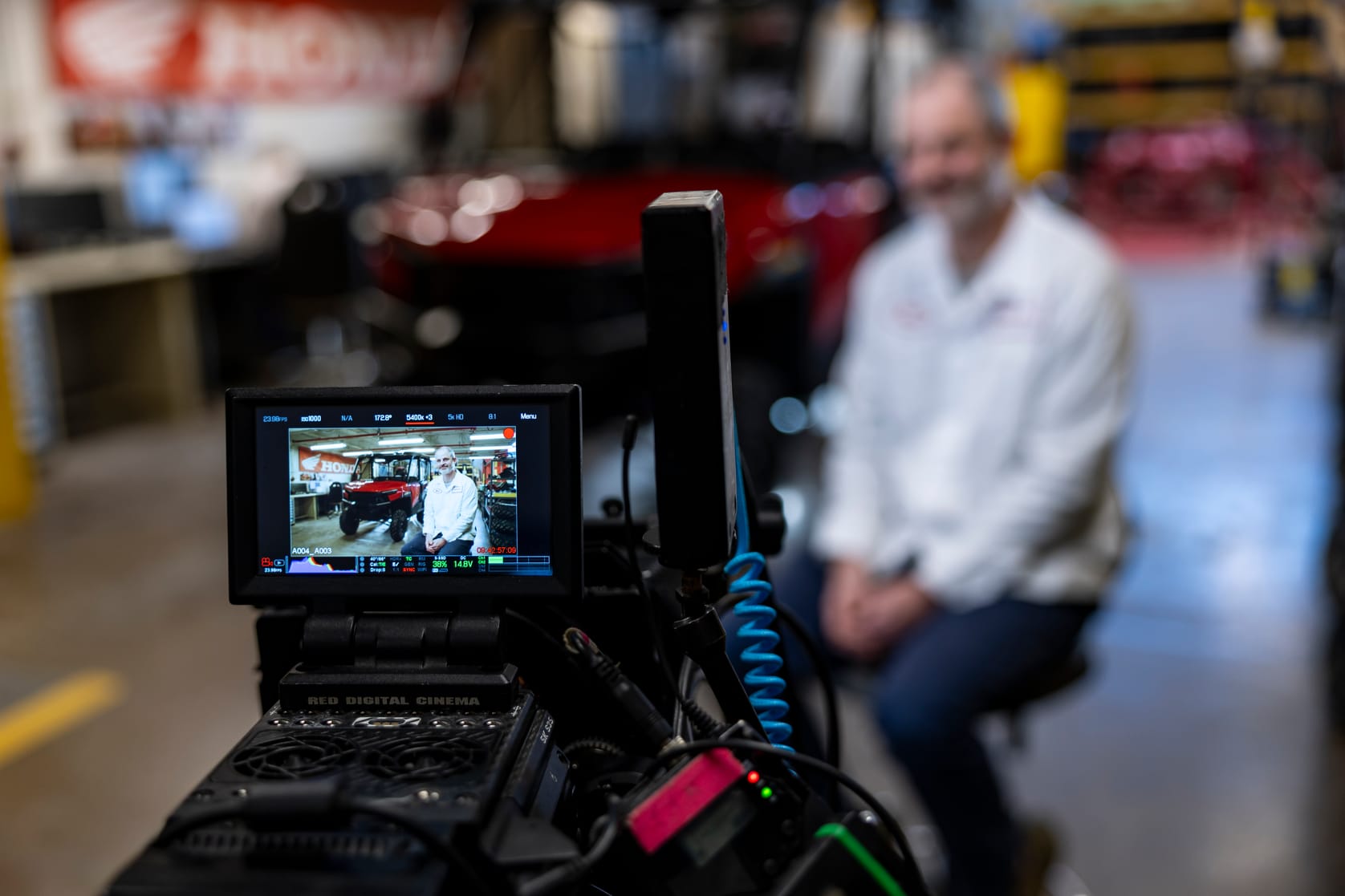
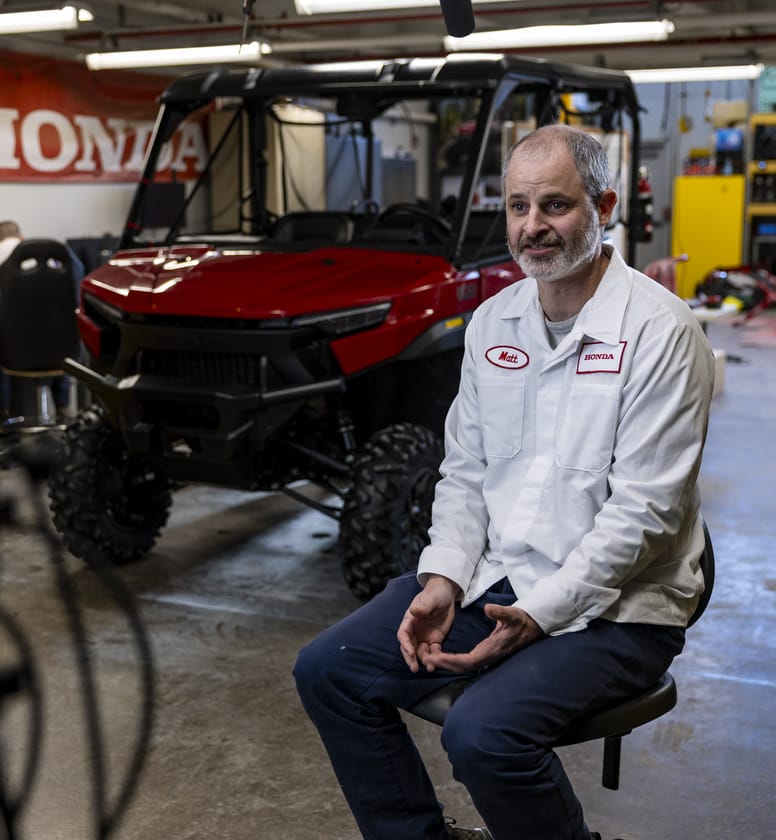
For Episode 1, we traveled to the Honda Development and Manufacturing of America center in Marysville, Ohio, to meet the engineers, designers, and testers who make “man first, then machine” more than a motto.

Because the vehicle at the center of this series is not a refresh. It’s a full redesign from the wheels up. A redesign that is uniquely American through and through.

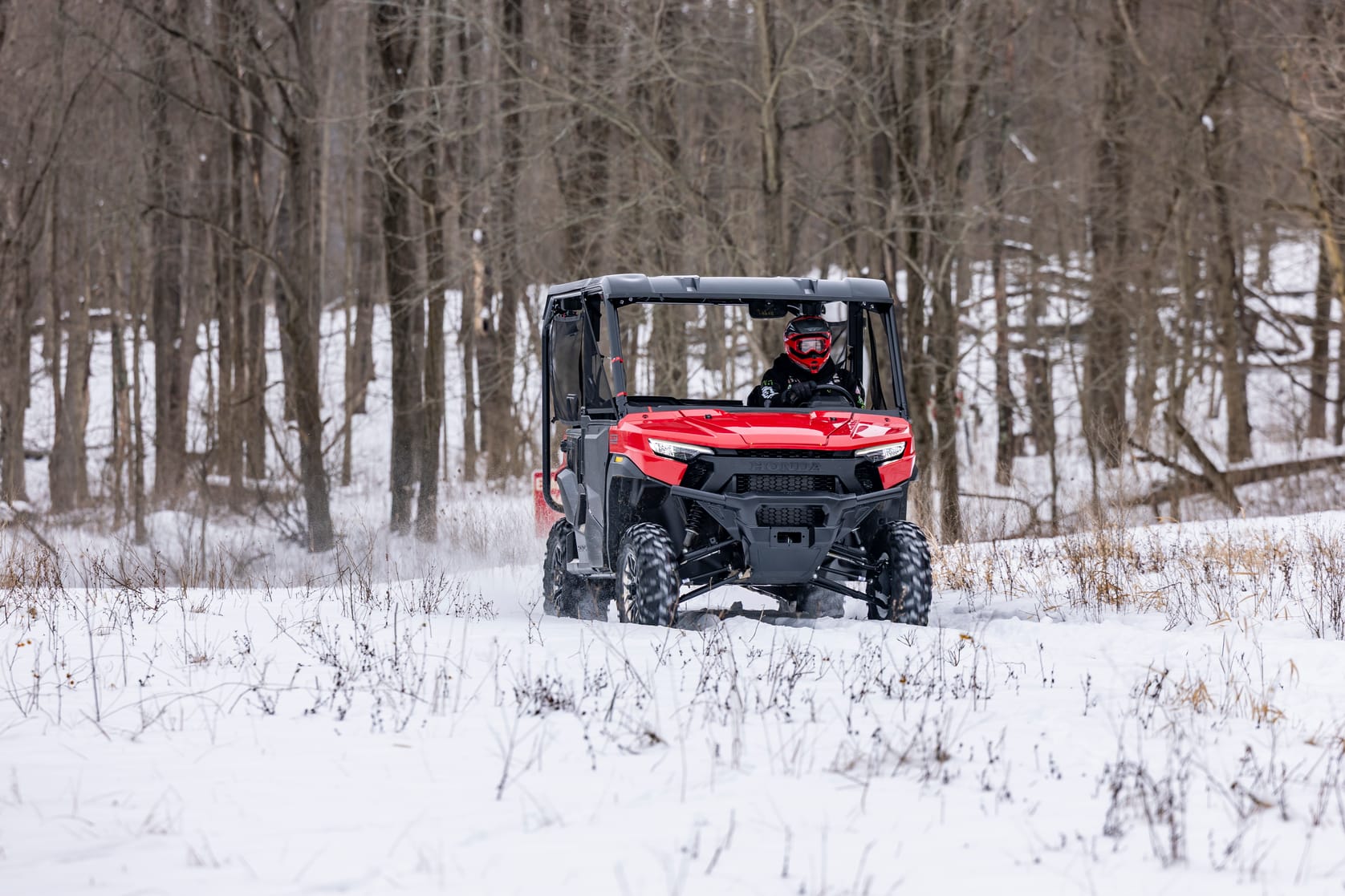
The 2026 Pioneer 1000 is the first totally new Pioneer in more than 10 years. That matters because it gave Honda a rare opportunity to rethink the entire experience, not just update a few parts. To rethink how they’ll make it work in Minnesota winters and Texas summers. From the swamps of Louisiana to the mountains of Colorado. It also explains why pride kept coming up in every conversation. The team sees this as a new flagship for the side-by-side industry, and they wanted you to feel that the first time you climb in.

built-by-episode-1-hours-of-brainpower-img-9
built-by-episode-1-hours-of-brainpower-img-10

The people behind the Pioneer

If you are the kind of buyer who wants to know what goes into a machine before you trust it, you will appreciate this part. From the top down, everyone here constantly talks about “the team,” and it’s not just nice words. It’s how they operate.

As the Pioneer 1000 Large Project Leader, Matt Alexander puts it, “the team is the most exciting thing at Honda. It’s the team that drives the whole thing. If you have the drive and the passion, no one is going to stop you at Honda.”

That line matters because it explains the culture behind the product. A lot of machines are built to hit a price point. But Honda builds machines to earn a reputation. And that only happens when people behind it care enough to push details further than they have to.

The customer advocate who lives in the real world

Honda has people whose job is basically to represent you inside development.

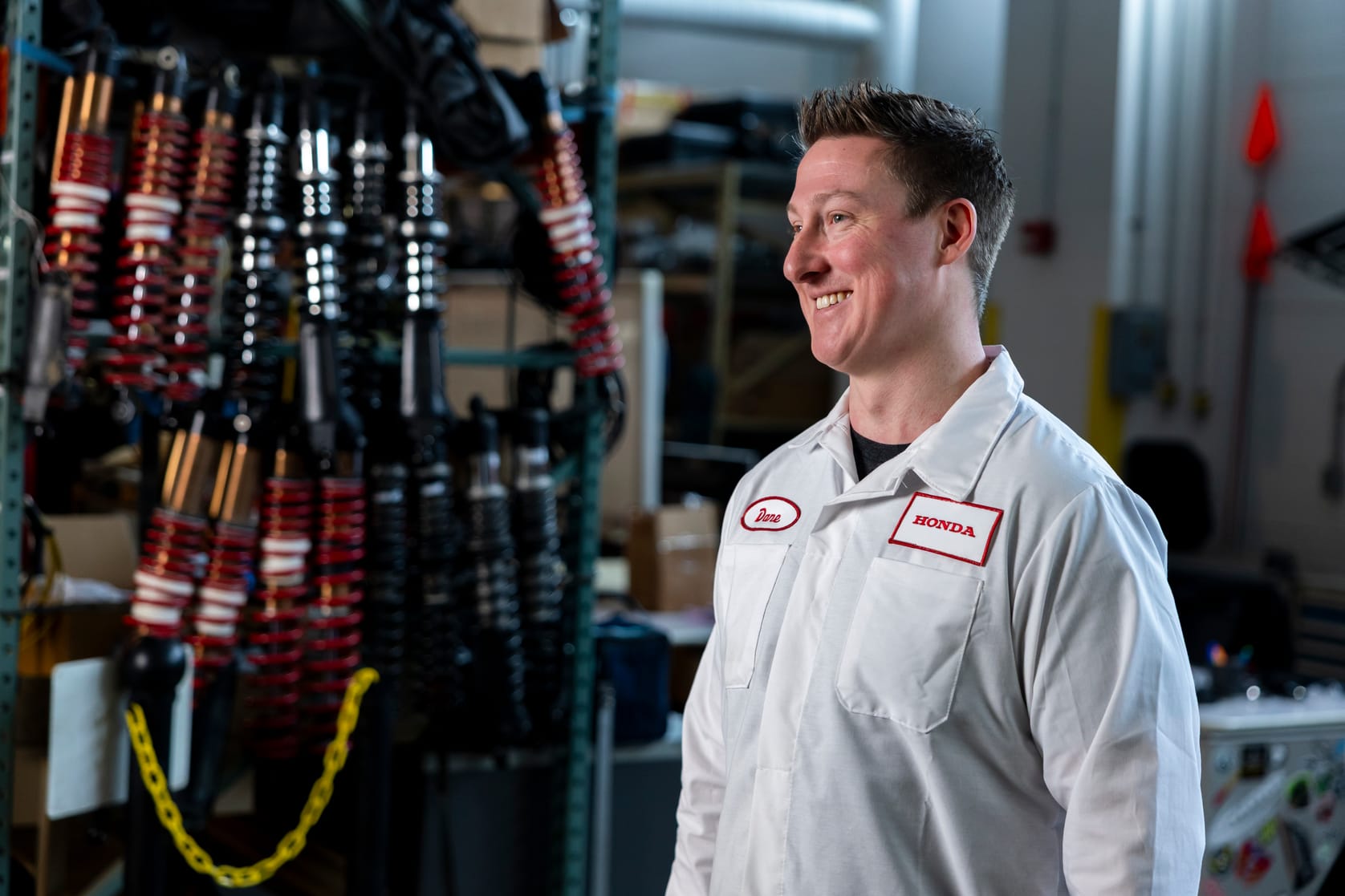
Dane Marsack is a marketability technical expert, which is Honda’s way of saying he focuses on customer-driven usability. Ride position. Maintenance. Environmental protection. The stuff that decides whether a vehicle feels right to live with.

Dane is direct about how critical customer input is. “Customer feedback is central to everything I do,” he says. And the message he keeps hearing from utility side-by-side owners is simple: they want to be more comfortable.

“We sell these products from Louisiana, where it’s super hot and humid, up to Minnesota, where it can get down to negative 30 degrees,” Dane says, “and people want to be comfortable when they use these for work and play.”

If you have ever climbed into a machine on a cold Michigan morning, or finished a long, hot day in the Texas heat and realized you feel more beat up than you should, you know exactly what he’s talking about. Comfort isn’t a luxury when you use a side-by-side year-round in the U.S.. Comfort is what makes the machine more usable, more productive, and more enjoyable.

That’s why the new Pioneer 1000 lineup leans hard into livability. Features like cruise control, ride modes, a redesigned interior, and available sealed-cab options are not just “nice.” They are the difference between a vehicle you tolerate and a vehicle you want to be in, whether it’s -15 degrees in North Dakota or 115 degrees in New Mexico.

This is what customer-first engineering looks like. It doesn’t shout. It solves.

The designer who refuses “fragile construction”

If comfort is one side of “man first,” confidence is the other. And confidence starts before you ever sit in the driver’s seat. It starts with what the vehicle communicates the moment you see it.

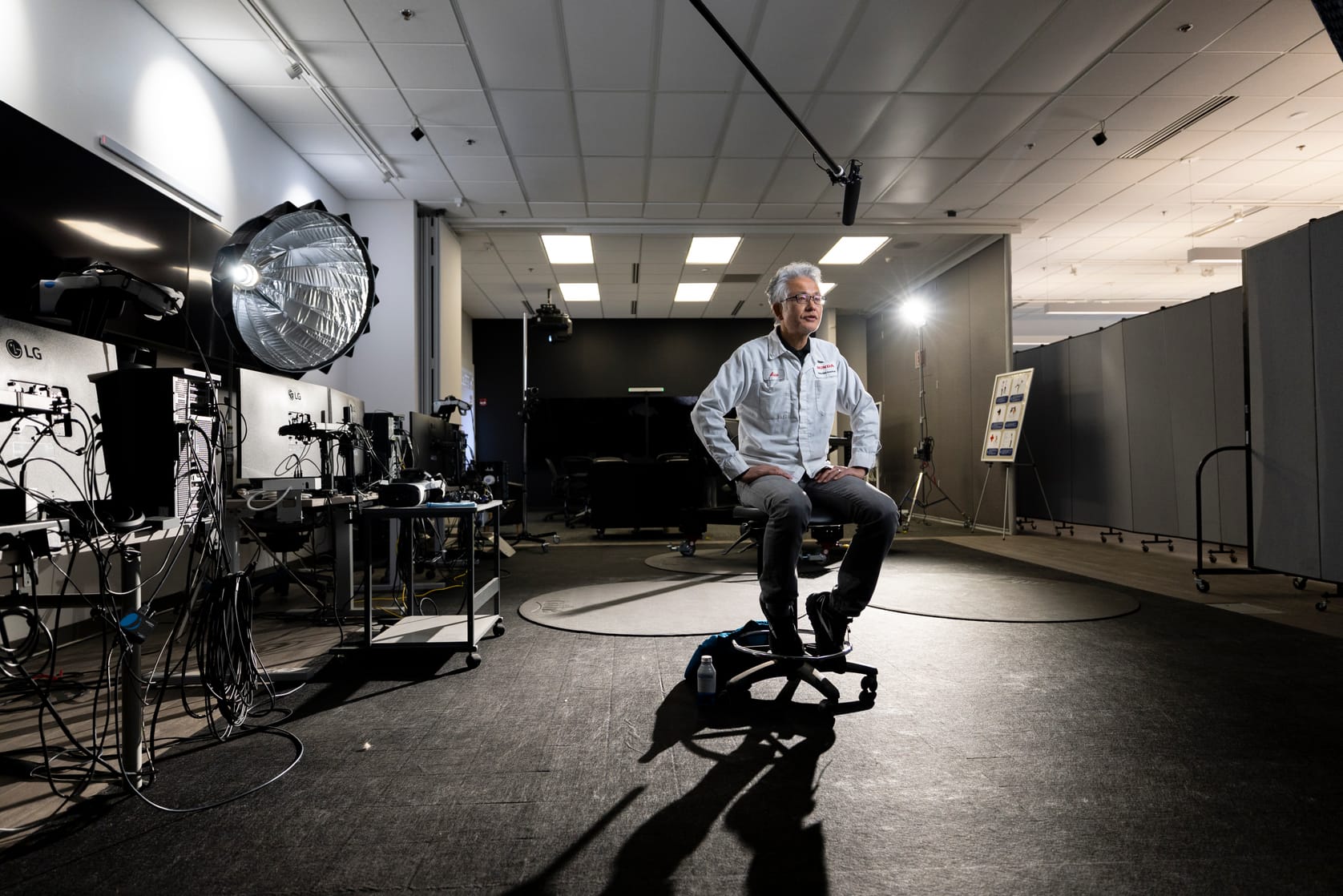
Styling Project Leader Asao Itaya has spent more than 26 years at Honda shaping the lines behind motorcycles, ATVs, side-by-sides, and even watercraft. He understands something important: design is not decoration. It’s a promise.

And that promise drove the styling concept for the new Pioneer. Asao describes it as “a strong and dynamic presence” with “no fragile construction or unnecessary fine details.” Then he puts it in plain terms: the task was to “just make it really strong.”

That’s more than aesthetics. It’s respect for how customers actually use these machines. Branches happen. Tools get tossed in. Mud gets everywhere. Work does not wait for you to baby your vehicle. A design that avoids fragile details is one that considers the owner’s real day, not a perfect photo shoot.

And it hints at something else, too. Honda's strength isn’t loud. It’s confident. It doesn’t rely on clutter to look tough. It looks tough because it was designed to be tough.

built-by-episode-1-hours-of-brainpower-img-1
built-by-episode-1-hours-of-brainpower-img-2
built-by-episode-1-hours-of-brainpower-img-3
built-by-episode-1-hours-of-brainpower-img-4
built-by-episode-1-hours-of-brainpower-img-5
built-by-episode-1-hours-of-brainpower-img-6
built-by-episode-1-hours-of-brainpower-img-7
built-by-episode-1-hours-of-brainpower-img-8

The digital modeler shaping what your hands and eyes will trust

There’s another kind of “strong” that owners feel every day, even if they cannot name it. It’s the feeling of quality in the surfaces. The fit. The way shapes line up. The way panels look intentional, not improvised.

Digital Modeler Jessica Vera puts a human face on that work. She’s reserved by nature, but the moment she starts talking about designing the new Pioneer, her energy changes.

“I just love having the opportunity to be involved in making the awesome 3D shapes for the vehicle,” she says. “We try to build knowledge of the materials based on all the previous developments that we've been involved in to help improve the final result.”

That excitement is not just about making something look cool. It’s about making something feel right. It’s about the details that create trust over time, the kind of trust Honda owners talk about years later when a machine still looks and feels solid.

And in typical Jessica fashion, when asked where she is happiest, she answers simply: “Behind my desk.” Then she adds, almost as a perfect little window into her personality and summary of the Honda mindset: “I love working on the next vehicle.”

And that’s the whole point. The next vehicle is not an abstract idea at Honda. It’s a shared obsession, driven by people who want to earn the customer’s trust again and again.

The emotional core of “man first, then machine”

When Honda says “man first, then machine,” it’s easy to imagine it as a broad brand philosophy. But in Ohio, it feels and looks much more specific than that.

It looks like a team insisting on comfort because they know customers in Montana ride in extreme heat and extreme cold. It looks like engineers thinking about mud and dust performance because they know owners in Oklahoma will drive through both in the same week. It looks like designers refusing fragile details because a side-by-side used in the Nevada heat should not be precious. It looks like digital modelers sweating surface quality because customers everywhere deserve something that looks good and holds up year after year.

And it feels like pride. Not the loud kind. The earned kind.

This is only the beginning

Episode 1 is your introduction to the people and philosophy behind Honda and the all-new Pioneer 1000. It is the “why” behind the work.

But we are only just getting started.

Stay tuned for more episodes and stories in the coming months. We will show you the rigorous testing that pushed the new Pioneer 1000 to its limits, take you behind the scenes to see the assembly line where it’s made, and introduce you to more of the amazing people who play a role in bringing this flagship side-by-side to life. Plus, a few additional surprises along the way.

View all Stories
built-by-episode-2-img-thumb

Built By: Matt Alexander

4 min read
Tech Corner
Africa_Twin_MY25_action_26746_rt_medres_small

What's new in Honda ADV for '25 & '26

11 min read
Tech Corner
Pioneer-1000-5-SE-Gray_MY25_09381_rt_small

Get to know the Pioneer family of side-by-sides

4 min read
Tech Corner
2025-CB750_Pearl_Glare_White_Location_Action_0127_BC_small

Harnessing the power of Honda’s street tech

10 min read
Tech Corner